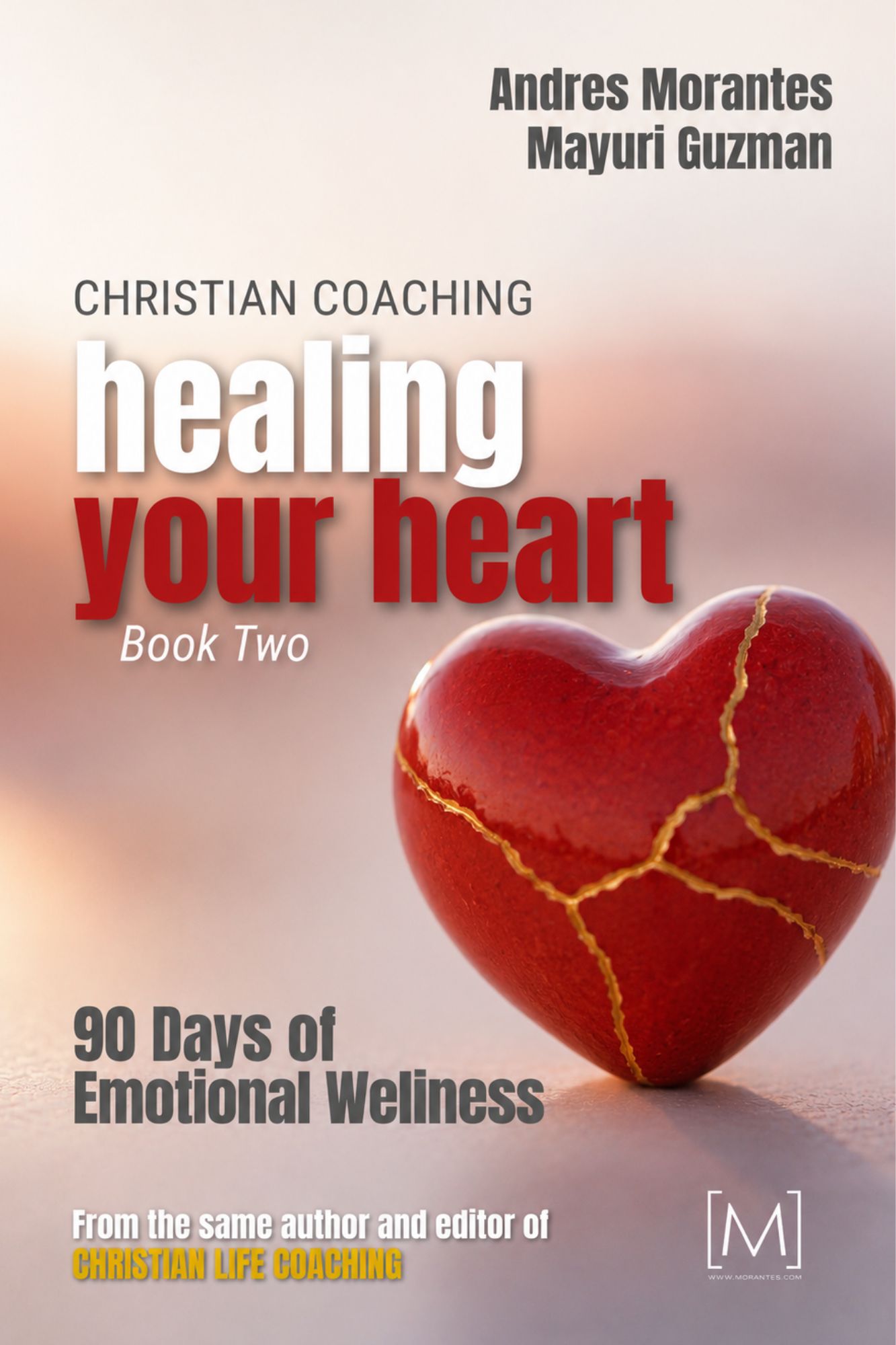

Some Christians have learned to treat emotional pain as evidence of spiritual weakness.
If you are anxious, you should pray more. If you are grieving, have more faith. If you are angry, forgive immediately. If you feel overwhelmed, trust God and move on.
Prayer and trust matter deeply. But emotional health is not the opposite of faith. Faith does not require pretending that pain is not real.
Throughout Scripture, people of faith name what hurts. The Psalms contain grief, fear, anger, confusion, loneliness, and hope. Jesus Himself wept at the tomb of Lazarus. In Gethsemane, He expressed profound anguish while remaining fully surrendered to the Father.
Honesty about emotion is therefore not necessarily rebellion against God. It can be an expression of relationship with Him. Naming what hurts is often the first honest step toward healing that lasts.
This does not mean every emotion tells us the truth. Feelings are real experiences, but they are not infallible interpreters of reality. Fear may tell us that we are unsafe when we are not. Shame may tell us that we are worthless. Anger may reveal an important boundary — or conceal a deeper wound.
Emotional maturity means learning to listen to emotions without automatically obeying them. Instead of asking only, “How do I stop feeling this?” we can ask, “What is this feeling showing me?”
Perhaps sadness is revealing loss that needs to be grieved. Anger may point toward an injustice or an unmet need. Anxiety may reveal uncertainty that needs to be acknowledged. Resentment may expose a boundary that has been ignored for too long.
Faith gives us a place to bring these discoveries. We can pray honestly. We can seek wise counsel. We can talk with trusted people. We can learn healthier patterns of communication. And when necessary, we can seek professional help.
There is no spiritual virtue in refusing appropriate help. God can work through prayer, Scripture, community, pastoral care, coaching, and professional mental-health support. These are not competing with faith simply because they address different dimensions of human experience.
Emotional health also involves taking responsibility for what we do with our emotions. You may not choose what you feel, but you can learn to choose how you respond. You can pause before reacting. You can apologize. You can communicate instead of withdrawing. You can forgive without pretending that what happened did not matter. You can establish boundaries without becoming cruel.
This is part of spiritual formation. The goal is not to become a person who never feels pain. The goal is to become a person who can experience pain without allowing it to control every decision.
Faith does not make us less human. It teaches us that our humanity can be brought honestly into the presence of God.
Sometimes the most faithful prayer is not, “God, I am fine.” It is simply, “God, this hurts. Help me understand what is happening, and teach me how to walk through it with You.”