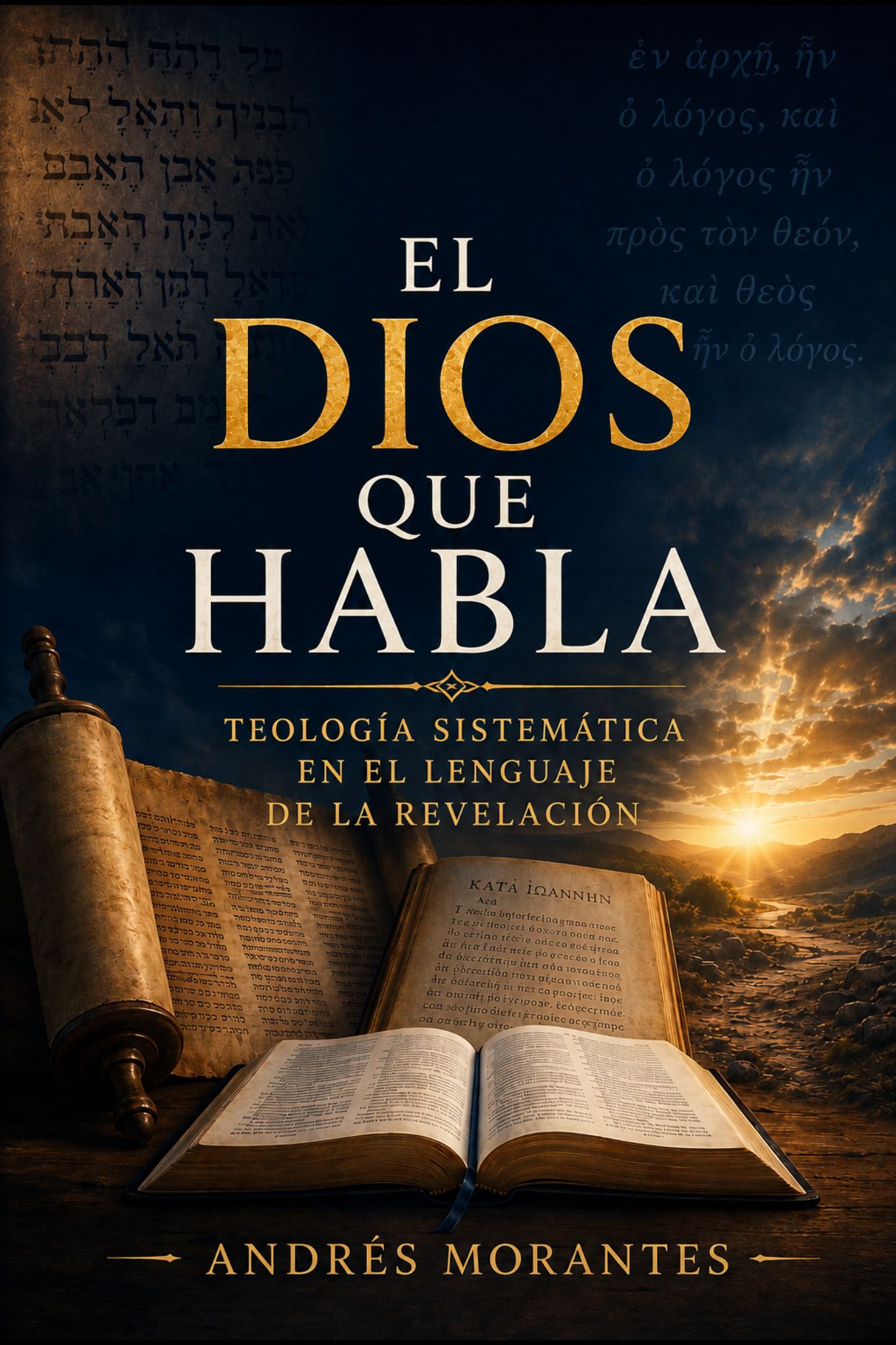
The seventh volume of the series asks the question every earlier book quietly assumed: how do we responsibly hear what God has actually said? The difference between a text carefully understood and a text carelessly handled is measured not in academic marks but in the spiritual health of real congregations.
Six parts move through the whole task of interpretation: the doctrine of revelation and the interpreter's own posture, the historical, geographical, and sociocultural worlds behind the text, the Bible's many literary forms, the grammar and words of Scripture, the theological unity of the biblical story, and finally the passage from careful exegesis to faithful ministry.
Written from the pulpit and the pastoral study rather than the academy alone, it treats hermeneutics not as a specialist's technique but as the patient, humble listening every reader of God's word is called to.