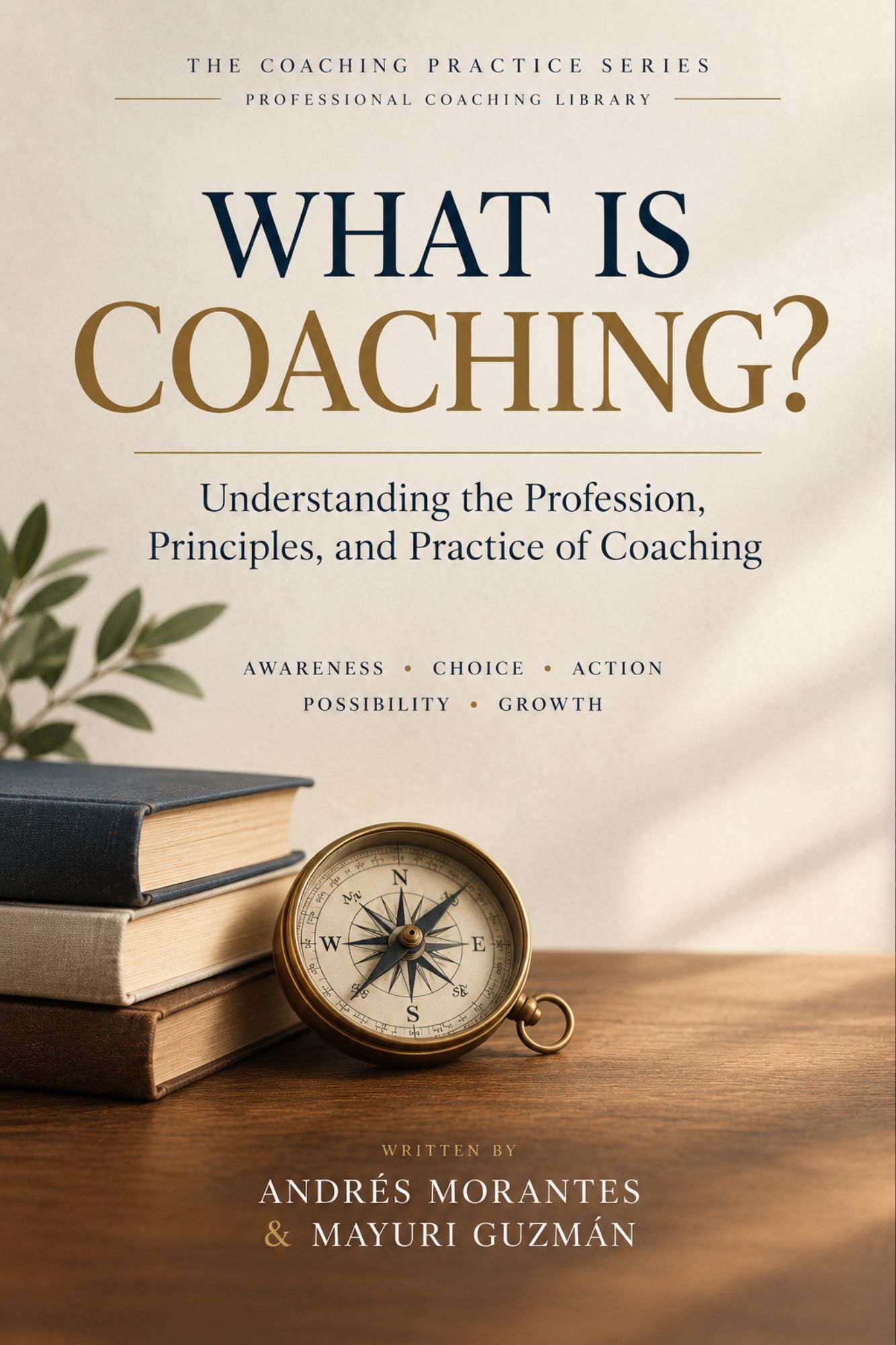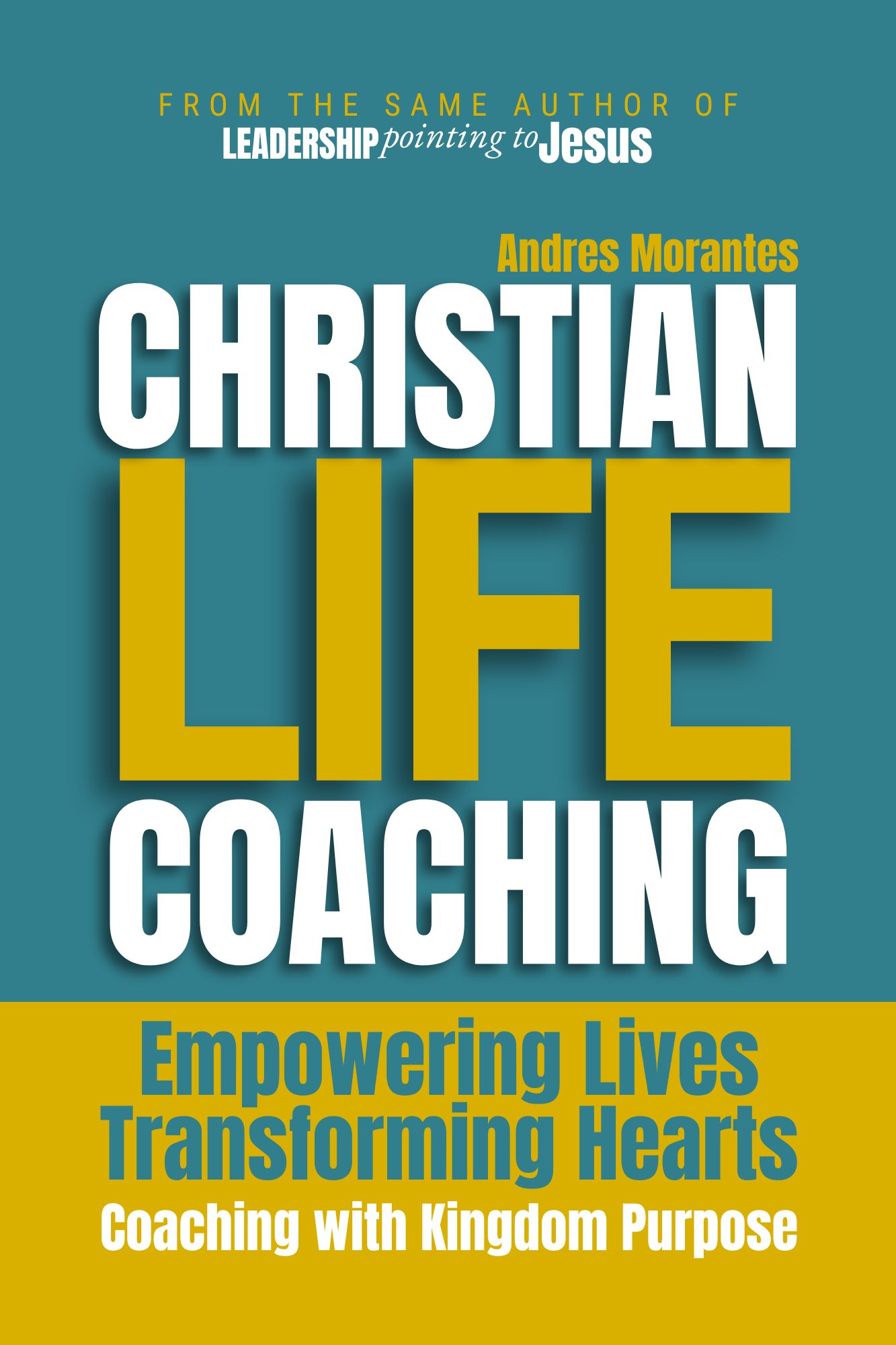

Someone tells you about a difficult decision, and within ninety seconds you are already explaining what you would do. It feels like help. Very often it is not.
Coaching begins with a different assumption: that the person in front of you is capable of thinking, praying, and deciding — and that your job is to make that thinking possible rather than replace it. Advice hands someone your conclusion. Coaching helps them reach their own, which is the only one they will actually live out.
It helps to name what coaching is not. It is not counseling, which works mainly with wounds from the past and belongs to trained professionals when the pain runs deep. It is not mentoring, where an experienced person transmits knowledge to someone following the same path. It is not consulting, which diagnoses a problem and delivers a solution. And it is not preaching, which proclaims truth to a listening room.
Each of those has its place. The mistake is using one when the moment calls for another. A person processing grief does not need a strategy. A young professional asking how an industry works does not need open questions — they need information. Discernment is knowing which conversation you are in.
So what actually happens in a coaching conversation? First, someone is heard completely, without interruption and without the listener assembling a response while they speak. That alone does more than most advice, because people rarely hear themselves clearly until someone else makes room for them.
Second, questions do the work. Not rhetorical questions with an answer hidden inside them, but real ones: What is actually at stake here? What have you already tried? What are you afraid will happen if you move? Which of those fears is likely, and which is just loud? Good questions are not clever. They are honest.
Third, Scripture enters as light rather than as a verdict. In a Christian conversation the aim is not to win an argument with a verse, but to help someone see their situation the way God sees it — which usually takes longer and costs more than quoting a text.
Fourth, something gets decided. A conversation that ends in warm agreement and no action produced a good feeling. Ask the plain question: what will you do, and by when? Then remember to ask again next month.
For those of us who love to teach, the hardest discipline is restraint. Holding a solution you are certain about while someone slowly finds their own words feels almost irresponsible. It is not. Insight a person reaches themselves has roots; insight handed to them has none.
Jesus asked more than three hundred questions in the Gospels and answered comparatively few directly. That is not a technique to imitate mechanically. It reveals a conviction: people are not projects to be fixed but image-bearers to be walked with.
You do not need a credential to practice this. The next time someone brings you something heavy, try one experiment — ask three questions before offering a single opinion. Most conversations change entirely by the third one.