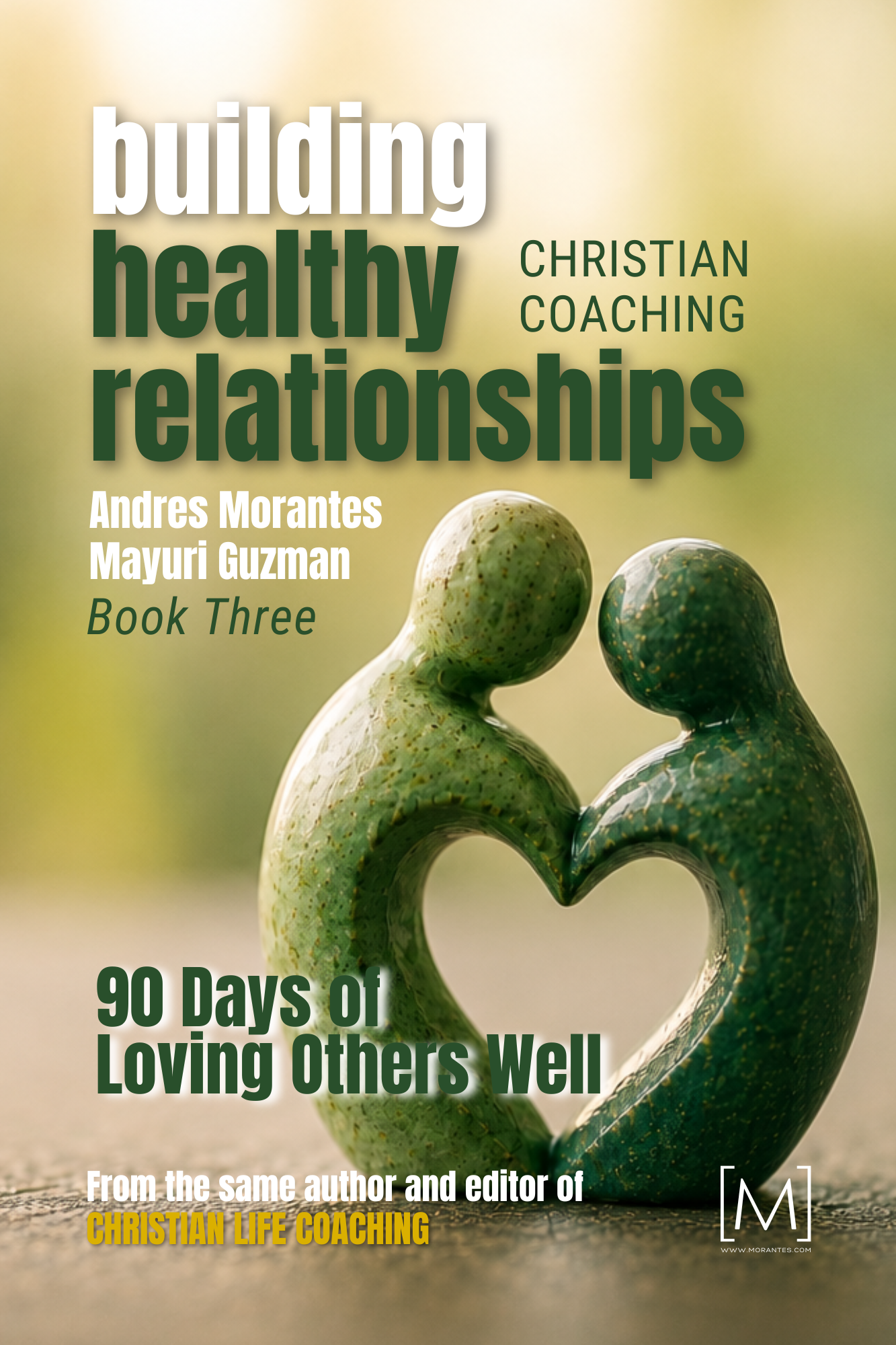

Couples often assume that oneness is something that happens to them. You fall in love, you make a vow, and unity follows naturally.
After twenty-five years of marriage, we can say plainly that oneness is built, not inherited. The wedding day begins the covenant. The years form it.
Most marital struggle is not caused by dramatic betrayal. It is caused by ordinary selfishness, unspoken expectations, accumulated fatigue, and small resentments that were never brought into the light.
Selfishness is quiet. It rarely announces itself. It shows up as the assumption that my preference is the reasonable one, that my tiredness is more legitimate, that my version of the argument is the accurate one.
Scripture describes marriage as two becoming one. That language is beautiful, but it also implies loss. Something of my independence has to die for something shared to live.
That is why serving your spouse is not a romantic gesture but a spiritual discipline. It is choosing the other person's good on days when you do not feel like it, and doing so without keeping a ledger.
Unmet expectations deserve special attention. Many couples argue about behavior when the real issue is an expectation that was never spoken out loud. We assume our spouse knows what we need, then feel unloved when they do not deliver it.
Naming an expectation is not weakness. It is clarity. “I need us to have one evening a week without screens” is far more useful than months of quiet disappointment.
Prayer also changes the atmosphere of a home. Not prayer as performance, but honest shared prayer — the kind where you admit fear, ask forgiveness, and thank God together for small mercies. It is very difficult to stay hardened toward someone you regularly pray with.
Forgiveness is the other daily practice. Not the pretense that nothing happened, but the decision to release the debt rather than collect it slowly through coldness and sarcasm.
None of this requires an ideal marriage. It requires two people willing to keep showing up honestly.
Some seasons will feel dry. Children, work, illness, grief, and financial pressure all consume energy that used to go toward each other. Oneness in those seasons is protected by small commitments: a real conversation, an unhurried meal, a walk, a weekly check-in about how each of you is actually doing.
Marriage is not two people staring at each other. It is two people walking in the same direction, learning to carry each other's weight.
One honest day at a time, that is how two become one.